The iGaming Edge: How Smart Players Approach Casino, Betting, Slots & Poker
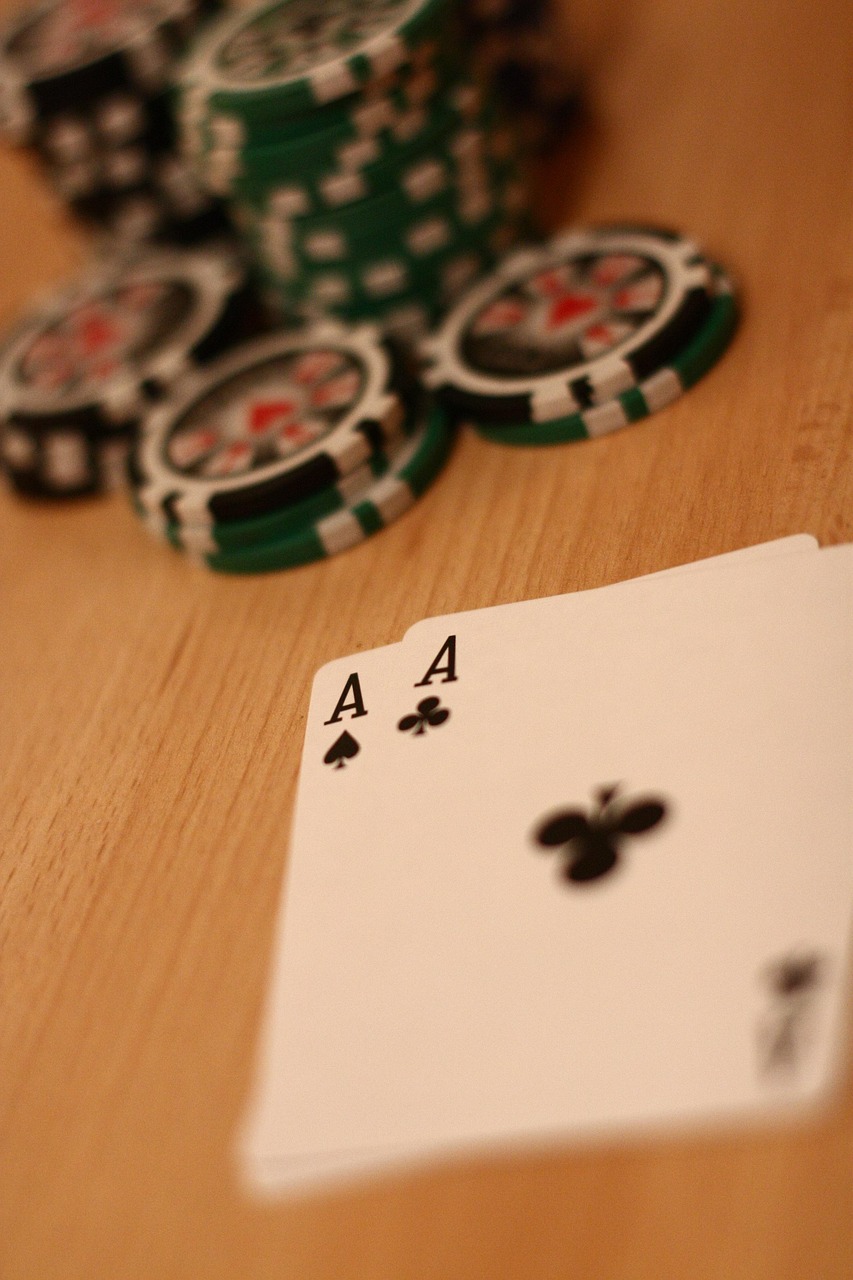
You've probably noticed that iGaming isn't just about luck anymore. With hundreds of platforms vying for attention, the players who actually enjoy consistent success—or at least avoid the classic money pits—are the ones who treat it like a skill. Whether you're spinning slots at 2 a.m., grinding a poker tournament, or hunting value in sports betting, the landscape rewards knowledge. Let's cut through the noise and talk about what really separates a casual punt from a calculated move.
Slots: More Than Just Pressing Spin
Slots get a bad rap from purists, but they're the backbone of the iGaming world. The key is understanding that not all slots are created equal. Volatility matters more than theme. A high-volatility slot like Book of Dead can go 200 spins without a win, then payout 5,000x. Low-volatility games like Starburst pay small but often. Your bankroll should dictate your choice: if you're on a $50 budget, high volatility will eat you alive. Instead, look for RTP (Return to Player) above 96%—that's your long-term edge. Also, don't ignore bonus features. Free spins with expanding wilds or multipliers are where the real value hides. And here's a concrete tip: set a loss limit before you start. If you deposit $100, decide that $60 is your stop. The moment you chase losses, you're no longer playing smart.
Betting: The Art of Finding Value, Not Just Winners
Sports betting is where math meets gut feeling. Too many bettors fixate on picking winners, but professionals focus on value—when the odds are higher than the true probability. For example, if you think a team has a 50% chance to win (fair odds 2.00), but the bookmaker offers 2.20, that's a value bet. Over 100 bets, that 10% edge compounds. Start by tracking your bets in a simple spreadsheet: date, event, odds, stake, result. After 50 bets, you'll see patterns. Are you profitable on underdogs? Do you lose more on parlays? Most casual bettors lose because they chase accumulators with 10 legs. Stick to singles or doubles with a clear reasoning. Also, shop around for lines—different books can differ by 0.2 on the same market, and that adds up.
Poker: Where Psychology Meets Probability
Poker is the only iGaming vertical where you play against other people, not the house. That means your edge comes from exploiting opponents' mistakes. Position is everything: acting last gives you more information. If you're on the button, you can play a wider range of hands. In early position, tighten up. Bankroll management is non-negotiable: never buy into a cash game with more than 5% of your total poker funds. For tournaments, 2% is safer. Learn to read betting patterns. A player who check-raises on the river usually has a monster. A player who min-bets on every street is often weak. And don't forget the math—pot odds, implied odds, and equity. If you're drawing to a flush, you need at least 4:1 pot odds to call. Use free tools like Equilab to practice. Finally, tilt is the silent killer. After a bad beat, take a 10-minute break. The game will still be there. This is explained well on บาคาร่า.
Casino Games Beyond Slots: House Edge Matters
If you want the best odds in a casino, skip roulette and head to blackjack or baccarat. Blackjack with basic strategy reduces the house edge to 0.5%—that's better than any slot. Baccarat's banker bet has a 1.06% house edge. Roulette? American wheel has 5.26%, European has 2.7%. So if you're going to play table games, choose wisely. And avoid side bets like perfect pairs—they're sucker bets with edges often above 10%. For a fun session, set a time limit and a loss limit. If you're up, pocket the profit. The casino always has an edge in the long run, but short-term variance is your friend if you walk away.
Bankroll Management: The Unsexy Skill That Saves You
No matter which vertical you love, bankroll management is the difference between a hobby and a disaster. Here's a concrete framework:
- Separate your gambling money from rent, groceries, and savings. Never touch the latter.
- Set a monthly deposit limit—say $200—and stick to it. If you blow it in a week, you wait until next month.
- Use unit sizing: for sports betting, 1-2% of your bankroll per bet. For poker cash games, 5% max. For slots, 1% per spin.
- Track everything. A simple app or notebook. You'll be shocked how much you actually lose on those $5 spins.
This isn't about being boring. It's about staying in the game long enough to enjoy the wins.
Bonuses and Promotions: Read the Fine Print
iGaming sites throw bonuses at you like confetti, but most come with wagering requirements that are brutal. A 100% match up to $200 with 40x wagering means you need to bet $8,000 before withdrawing. That's a trap. Look for bonuses with 20x or lower, and check the game weighting—slots usually count 100%, but table games might count 10% or 0%. Also, watch for max bet rules: if you bet more than $5 while clearing a bonus, you might forfeit all winnings. My advice: only take a bonus if you were planning to play that amount anyway. Otherwise, it's a leash, not a gift.
Final Thoughts: Play with Your Head, Not Your Ego
The iGaming world is designed to be fun, but it's also designed to take your money. The players who last—and occasionally win—are those who treat it as entertainment with a budget, not a get-rich-quick scheme. Slots can be thrilling, betting can be profitable if you're disciplined, poker rewards study, and casino games are best enjoyed with low stakes. The common thread? Never bet more than you can afford to lose, and always know when to walk away. If you can master that, you're already ahead of 90% of the crowd. Now go spin, bet, or bluff—but do it on your terms.