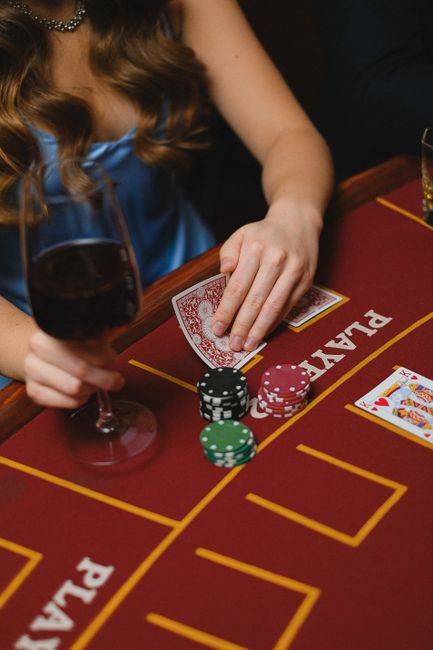
The House Always Wins? Why Smart Players Still Love iGaming
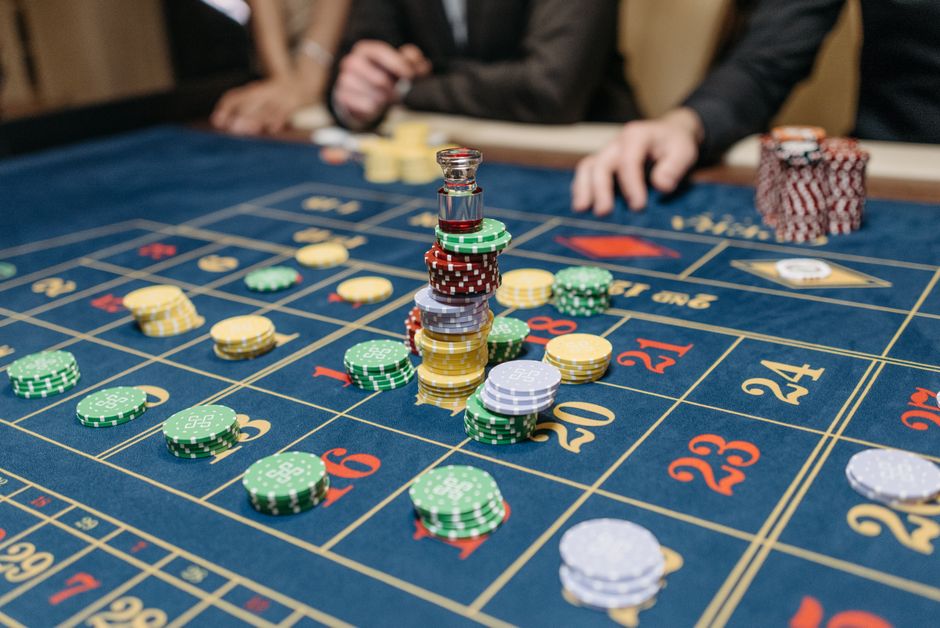
The first time you watch a Roulette wheel spin for real money, something shifts. It does not matter whether you are sitting in a brick-and-mortar casino in Macau or tapping a button on your phone at 2 a.m. The pulse quickens. That is the honest truth about iGaming: it is not built purely on math, it is built on emotion, and the industry knows it. If you want to play seriously, you need to understand both sides of that equation before you open your wallet.
The Real Difference Between Casino Games (Spoiler: It Is Not the Thrill)
Every game on a casino floor or in a lobby shares one thing: a house edge. That edge is the casino's built-in revenue, and it varies wildly depending on what you play. Blackjack, when you use basic strategy, can have a house edge as low as 0.5 percent. The same cannot be said for American Roulette, which carries a brutal 5.26 percent edge thanks to that double-zero pocket. Slots can range anywhere from 2 percent to 15 percent, depending on the machine and the jurisdiction.
This is not trivia. It is the difference between a session that lasts four hours and one that lasts forty minutes. If you are going to play, know the math. Here is a quick cheat sheet: For up-to-date information, visit rumble rummy.
- Blackjack: Lowest edge if you learn basic strategy. Forget card counting unless you are in a jurisdiction that allows it.
- Baccarat: Bet on the banker, not the player. The banker bet has roughly a 1.06 percent edge.
- Poker: The only game where you play against other players, not the house. The rake is the house's cut.
- Slots: Highest entertainment value per dollar in terms of time spent. Also the highest edge. Pick your poison consciously.
- Video poker: Jacks or Better with perfect play can get the edge under 0.5 percent in some pay tables.
Slots Are Not Stupid — They Are Engineered
People who dismiss slots as mindless button-mashing have never looked at a volatility sheet. Modern video slots use something called RTP (return to player) and volatility (the variance in payouts). A game with 96 percent RTP and low volatility will drip small wins frequently. A game with the same RTP but high volatility will eat your balance for an hour and then dump a 500x win in three spins.
Neither is better. They are different products for different players. If you have a $200 bankroll and want to play for two hours, a low-volatility slot is a smarter choice. If you are hunting a single big hit and do not mind losing quickly, go high-volatility.
One more thing: never chase a jackpot you do not understand. Progressive slots have a portion of every bet feeding the prize pool, which lowers the base-game RTP. If the jackpot is not life-changing and the base RTP is under 92 percent, walk away.
Poker Is the Only Game Where Skill Beats the House
Here is the uncomfortable truth about casino games: in the long run, you lose. Poker is different because you are not playing the casino, you are playing the people. The house takes a rake, yes, but a skilled player can still be profitable.
The catch is that most players are not profitable. Online poker tracks every hand you play, and the sites know your stats before you do. If you want to take poker seriously, follow these steps:
- Start at micro-stakes. A $1/$2 online game will teach you more than a $10/$20 game you are scared to play.
- Track your hands. Use a HUD (heads-up display) or at least a spreadsheet. If you cannot measure your win rate, you cannot improve it.
- Study ranges, not hands. Preflop charts are free and will fix 80 percent of beginner leaks.
- Bankroll management is non-negotiable. Never buy into a game with more than 5 percent of your total bankroll.
Online poker is a grind. It is not a slot machine with cards. Treat it like a job or treat it like a hobby, but do not confuse the two.
Betting Markets: Where iGaming Meets Sport
Sports betting has exploded into the same ecosystem as casino and poker, and it deserves its own warning label. Unlike roulette, sports betting feels like it is based on knowledge. Sometimes it is. But the margin the bookmaker builds into every line means you need to win more than 52.4 percent of your bets just to break even at standard -110 odds.
Live betting is where casual players bleed the fastest. Odds shift in real time, and the temptation to chase a bad position is enormous. If you bet on sports, do this instead:
- Specialize in one league or one market. Know it better than the bookmaker's model.
- Track every bet in a log. If you cannot see your win rate by market, you are guessing.
- Never bet on your favorite team. Emotional bets are the most expensive bets.
- Use bonuses strategically, but read the wagering requirements. A 10x rollover on a 20x contribution game is not free money.
The House Always Wins — Except When It Does Not
Markets existed long before the internet, but iGaming removed the friction. You no longer need to drive to a casino, wait for a table, or cash out at a cage. The game is in your pocket twenty-four hours a day. That is convenient, but it is also the single biggest risk.
The smartest players set limits before they log in, not after they lose three deposits. Every regulated operator offers deposit limits, session timers, and self-exclusion tools. Using them is not a sign of weakness. It is the only way to play long-term without burning out.
At the end of the day, iGaming is entertainment, and entertainment has a price. The people who enjoy it most are the ones who decide that price in advance. Know the edge. Know your game. Know when to walk away. The math does not care about your feelings, but you can still have a good time if you respect it.