Summer Patio Refresh: A Home Goods Checklist for Small Outdoor Spaces
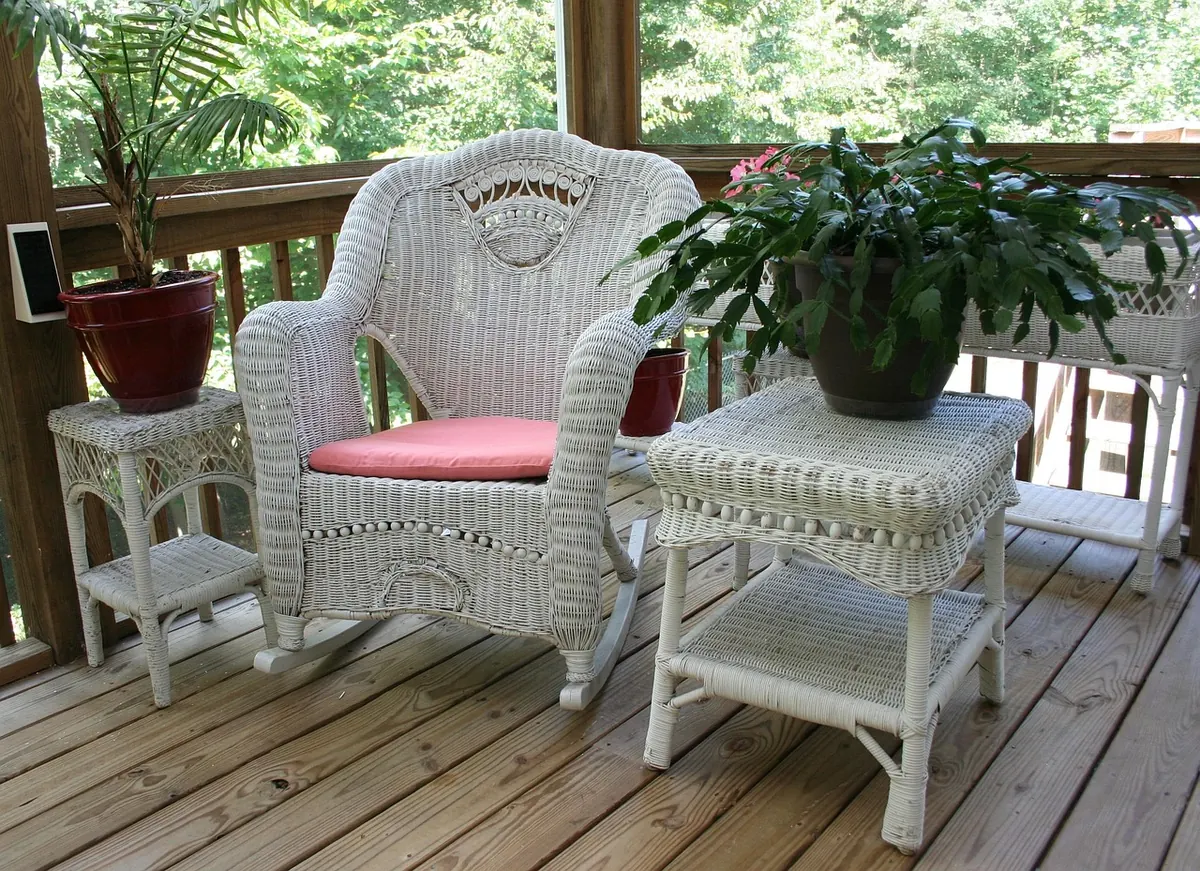
A small patio does more work than its square footage suggests. It's the morning coffee spot, the place where a book gets read in one sitting, the table where two friends stay an hour past dessert. What it can't do is absorb clutter. Every piece you set out has to justify the space it takes, and by midsummer the difference between a patio that feels like an outdoor room and one that feels like a holding pen for mismatched furniture comes down to a handful of decisions made in the right order.
This checklist is built for tight spaces: balconies, courtyard slabs, narrow side yards, the six-by-ten strip behind a garage. Work through it top to bottom and you'll shop once, set up in a weekend, and spend the rest of the season actually using the space.
Measure First, Choose Second
Before you look at a single chair, spend twenty minutes with a tape measure and a roll of painter's tape. Mark the footprint of a table and two chairs on the ground, then walk around it. You'll learn more from five minutes of stepping over tape than from an hour of scrolling.
The Three Numbers That Drive Everything Else
- Total usable area. Subtract anything permanent: the grill, a downspout, the corner where the hose lives.
- Clear path width. Leave at least 24 to 30 inches between furniture and any doorway, gate, or railing. Under 24 inches and people turn sideways to pass, which nobody enjoys.
- Vertical limits. Railing height, overhang depth, and the direction the door swings all determine what you can hang, mount, or shade.
Note which hours the space gets sun, too. A west-facing balcony at five in the afternoon needs shade far more than it needs another chair.
Furniture That Earns Its Footprint
In small spaces, flex beats size. A bistro table that folds flat, a bench with storage underneath, nesting side tables, and stackable chairs all do double duty. Look for pieces you can move alone. If rearranging takes two people, you'll stop rearranging.
Material matters more outdoors than in. A quick guide:
- Powder-coated aluminum: light, rust-resistant, easy to shift. A good pick for balconies with weight limits.
- Teak and acacia: durable woods that silver with age. Teak handles weather with minimal fuss; acacia wants annual oiling to avoid cracking.
- HDPE resin (recycled plastic lumber): heavy, but it shrugs off rain, sun, and salt air. Best if it stays put.
- Wrought iron and steel: sturdy and classic, but check for a rust-proof coating and expect to touch up chips.
- Untreated softwoods: skip them unless you plan to seal and store them every season.
Metal frames with welded joints hold up better than ones assembled with exposed screws that work loose by August.
Cushions, Rugs, and the Layers That Age Fastest
Fabric is where a patio quietly fails. Look for solution-dyed acrylic, olefin, or treated polyester, and check labels for fade resistance and quick drying. Foam that stays soaked after rain grows mildew, so choose cushions with mesh bottoms or open-cell foam.
A small outdoor rug in polypropylene ties the space together and can be hosed off. Natural fibers like jute and cotton rot on a damp slab. If rain is frequent, a storage bench that lets air circulate keeps cushions dry between uses — and bringing them in during storms is a thirty-second habit that adds years.
Lighting: Layer Low, Then Add Warmth
One overhead fixture on a small patio usually reads harsh. Build layers instead.
- String lights along a railing or wall, on a timer so they come on before you get home.
- Two or three solar stake or path lights for a soft glow at floor level.
- A battery-powered lantern you can carry to the table.
- Clip-on lights for a railing if you read outside.
Choose warm white bulbs in the 2700K to 3000K range; cooler light reads like a parking garage. Keep cords out of the walking path, since a trip hazard is not atmosphere.
Storage That Disappears
The most useful patio purchase is often the least attractive: a deck box. Look for a ventilated, water-resistant model that doubles as seating or a side surface. Measure where it will live, and check the lid weight. A heavy top is fine until you're opening it one-handed with a plate in the other hand.
If Floor Space Is Tight
- Mount hooks on a wall for folding chairs and the grill cover.
- Hang an over-the-door rack on the exterior door for tools, towels, and bug spray.
- Add a slim, lidded cabinet for candles, matches, and a lighter.
- Slide a weatherproof tote under the bench for off-season cushions.
Store cushions fully dry. Packing them away damp in September is how a spring surprise starts.
The Finishing Layer: Shade, Plants, and a Landing Spot
Two or three plants at different heights do more for a small patio than a dozen small pots. Group them where they soften a hard corner, and put the tallest one where you want privacy from a neighbor's window.
Shade needs a plan for wind. An umbrella requires a weighted base — a cheap one tips in the first strong gust. Shade sails work well but need proper anchoring points, and a sail that whips in the wind will damage the wall it's tied to.
Finally, give yourself one small surface for a drink, a phone, and a candle. A tray on a stool counts.
A Two-Day Plan, Then Enjoy It
Saturday morning, clear everything out and sweep. Wash the slab. Lay the rug, then set the largest pieces first: table, seating, shade. Saturday afternoon, hang the lights and test the timer. Sunday, add plants, cushions, and the small things — then stop buying.
Before the season ends, walk the space with a notepad. What did you use? What did you move twice? What did you never touch? That short list is the only shopping guide you need next spring.
Photo: JamesDeMers / Pixabay