Local Retail Events: How to Score Deals at Pop-Up Shops
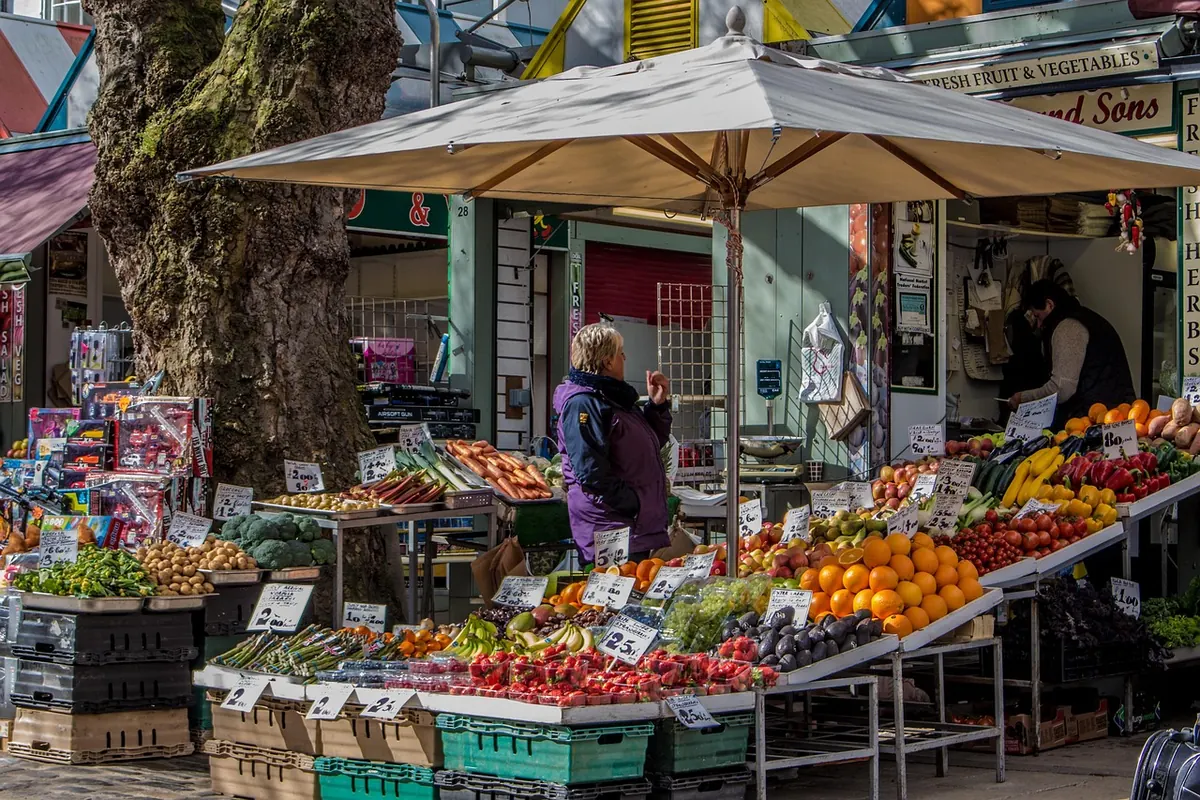
Pop-up shops have a way of appearing in the best places at the worst moment for your wallet: a vacant storefront two blocks from home, a brewery patio on a Saturday, a community hall that smells like coffee and cedar. Three days later, they're gone. That short window is exactly why they're worth planning for. Vendors arrive with limited stock and one clear goal — sell it before the tables get packed up. Show up prepared and you can leave with a wool coat, a leather belt, or a pair of boots for well under what you'd pay elsewhere, and sometimes meet the person who made them.
What Makes a Pop-Up Different From a Store
A regular shop buys inventory and hopes it sells over months. A pop-up has days. That changes the math for the vendor, and it creates openings for you.
- Overstock and end-of-season pieces get moved, not stored.
- Samples and one-offs appear because there's no room to keep them.
- Seconds — items with a small flaw — sell at a real discount, with the flaw disclosed.
- Online sellers bring returns and photo samples they can't list as new.
- Small brands test new designs and want feedback as much as sales.
Not every event is a bargain. Some pop-ups are full-price showcases in a cool location. Read the vendor list before you assume anything.
Twenty Minutes of Homework Pays Off
Most organizers publish a vendor list on Instagram, in a newsletter, or on an event page. Skim it for two or three names you actually care about, and get a sense of whether the event leans clothing, jewelry, home goods, or a mix.
Then write down what you need. Two items, no more. "A black cardigan that works with my work pants" is a useful target. "Something nice" is how you come home with three candles and a hat you'll never wear.
Check the hours, too. Friday evening openings tend to be quiet and well stocked. Sunday afternoons are busy and picked over. If an event runs several days, the first two hours of day one are best for selection.
What to Bring
- Cash in small bills. Plenty of vendors run on card readers, but not all do, and a card minimum can nudge you into a second purchase.
- Your measurements, written down. Waist, inseam, sleeve, chest, and shoe size in the brands you know.
- A tote bag. You'll buy more than you planned.
- A phone photo of the pieces in your closet you're trying to match.
- Comfortable shoes and water, especially at outdoor markets.
- One honest friend, if you have one who'll tell you the jacket looks like a costume.
Leave the oversized purse at home. Tight aisles plus a bulky bag equals dropped sunglasses.
The Two Best Times to Buy
Selection and discount peak at opposite ends of an event.
Go early and you get the good stuff at full price. If you've been hunting for one specific piece — a cropped leather jacket, a wide-brim hat in your size — arrive at opening and accept the tag.
Go late and you get the leftovers at a discount. Vendors who don't want to haul inventory home often mark things down in the final hour or two. Walk the room near closing and ask plainly: "Are you discounting anything before you pack up?" That's a normal question at a pop-up, and most vendors would rather sell than ship.
If you can't do either
Aim for the second day, mid-morning. Selection has thinned, the crowd is smaller, and vendors have time to talk.
How to Tell a Deal From a Discount
A low price on something you won't wear isn't a deal.
Check construction before the tag. On clothing, look at the seams inside the garment, the buttonholes, and whether there's a fiber content label. On bags and belts, examine stitching at stress points and the finish on hardware. If a piece is a second, ask what the flaw is and where it sits. Good vendors point it out immediately; vague ones are a warning.
Then compare against what similar quality costs elsewhere. A handmade wool scarf at a pop-up may cost more than a fast-fashion version and still be the better buy. That's value, not a discount. Both are fine reasons to purchase, as long as you know which one you're doing.
Bundles and repeat business
Buying two items from the same vendor is the simplest way to lower your total. Ask if there's a price for the pair. Then join the vendor's email list — many run post-pop-up and end-of-season sales for past customers.
Talking to Vendors Without Being That Customer
At most pop-ups, the person behind the table made the product and has been standing for six hours. Treat the conversation like you would at a farmers market.
Ask about materials, where the fabric comes from, how the sizing runs. You'll learn which pieces are worth the money. When you're ready, asking about a bundle price for two items is reasonable. Offering half off a single handmade piece is not a negotiation, and you'll get a polite no.
Skip haggling entirely at fundraisers, school sales, and charity pop-ups. Those prices are already set with a purpose.
Make It a Routine
People who consistently find good deals at local events aren't lucky. They follow three or four organizers, keep a running list of what they need, and show up at the right hour with cash in hand.
Start with one event this month. Give it ninety minutes, bring a set amount of cash, and stop when it's gone. That single rule prevents most regrets. If a purchase would genuinely strain your budget, it isn't a bargain no matter what the tag says.
And remember that a pop-up won't be there next week for a return. Try everything on, ask about the return policy before you pay, and assume final sale means exactly that.
Photo: blueprint2015 / Pixabay